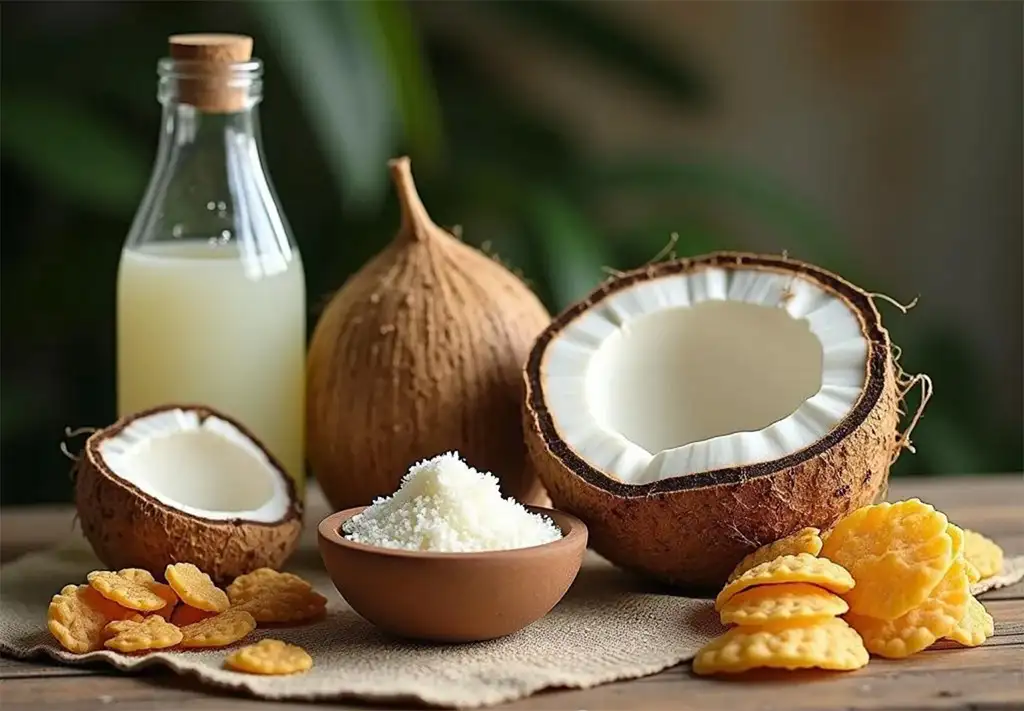
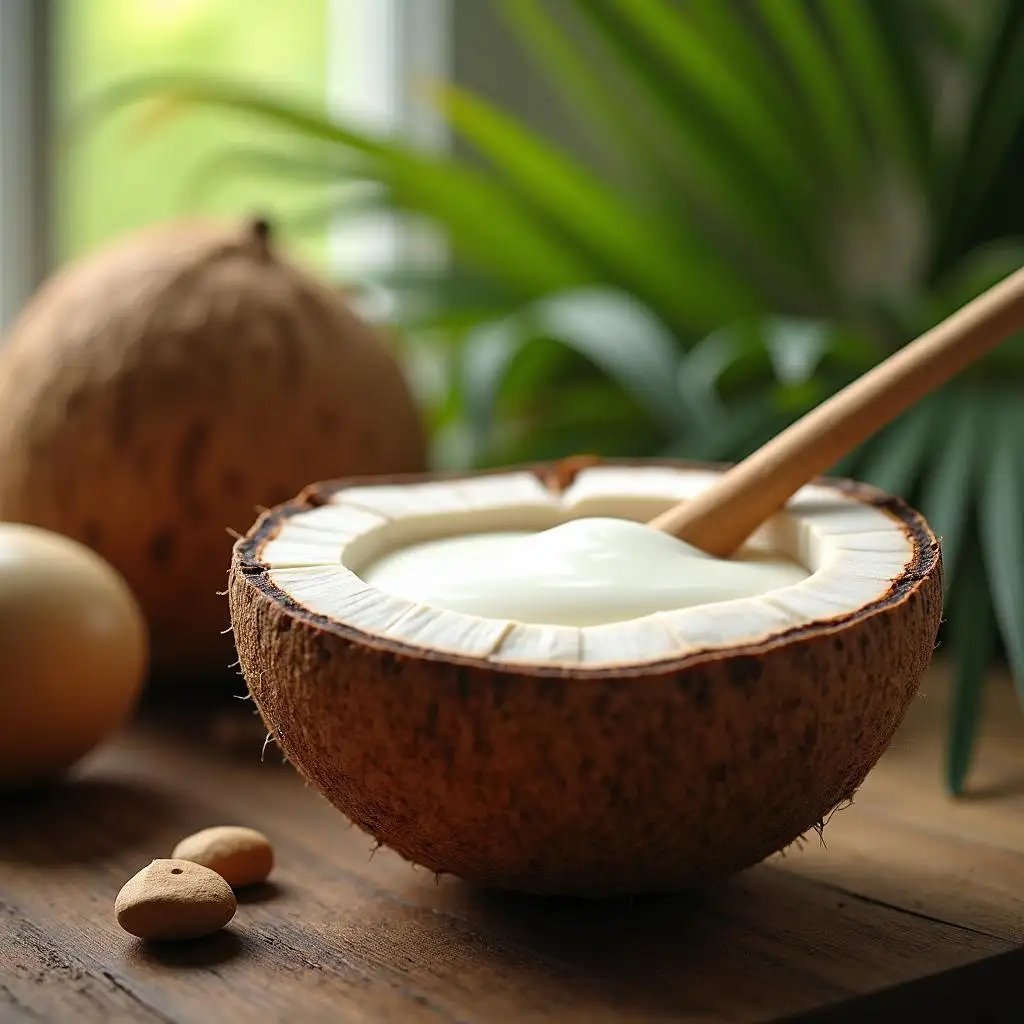
Coconut oil is obtained from dried coconut meat (copra) and is naturally rich in medium-chain triglycerides (MCTs), with lauric acid being the most prominent, known for its gentle antimicrobial properties. It is an energy-dense, heat-stable fat, which makes it an excellent choice for frying, baking and everyday cooking, especially when we want the oil to remain stable at higher temperatures. In the kitchen, coconut oil is a staple in vegan, paleo and gluten-free cooking. It is used in desserts, curries, stir-fries and warm drinks, giving dishes a subtle tropical note, a delicate coconut aroma and a pleasantly creamy texture. It also works very well as a butter substitute for baking cookies, cake sponges or homemade granola. In cosmetics, coconut oil is valued for its moisturizing and protective properties. Applied to the skin, it helps retain moisture, supports a soft and supple feel and soothes dry or irritated areas. Many people use it as a natural hair balm, for nourishing the ends, and for the Ayurvedic practice of oil pulling, where a spoonful of oil is swished in the mouth as part of an oral care ritual.
Average nutritional values per 100 g; Energy: 3700 kJ / 900 kcal, Fat: 100 g: of which saturates: ≈ 86 g, of which monounsaturates (MUFA): ≈ 6 g, of which polyunsaturates (PUFA): ≈ 2 g, Carbohydrate: 0 g: of which sugars: 0 g, Protein: 0 g, Salt: 0 g. Main fatty acids (~100g); Saturated fatty acids (SFA): Lauric acid (C12:0): ~40–45 g, Myristic acid (C14:0): ~16–20 g, Palmitic acid (C16:0): ~8–10 g, Caprylic acid (C8:0): ~6–8 g, Capric acid (C10:0): ~4–7 g, Stearic acid (C18:0): ~2–4 g. Unsaturated fatty acids: Oleic acid (C18:1, ω-9 – monounsaturated): ~5–8 g, Linoleic acid (C18:2, ω-6 – polyunsaturated): ~1–2 g.
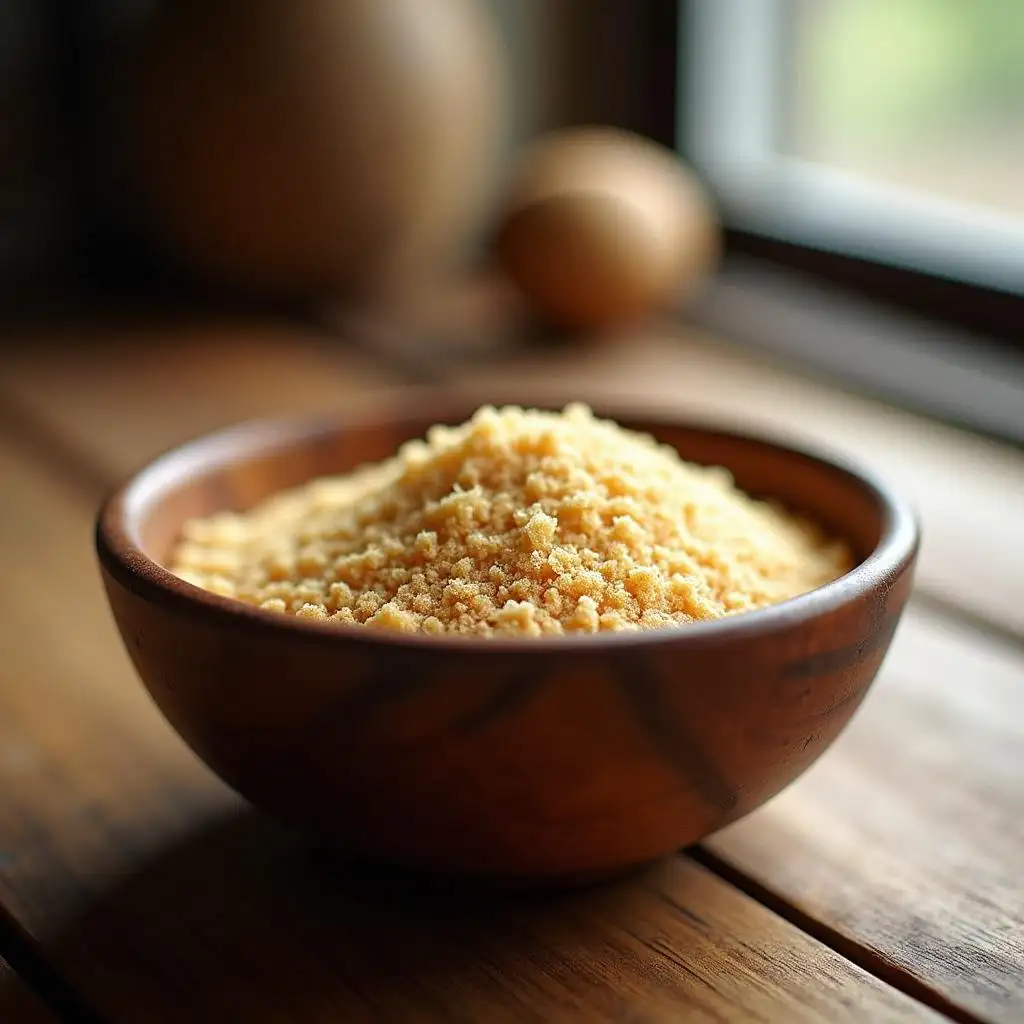
Coconut sugar is made from the flower nectar of the coconut palm and is only minimally processed, which means it retains traces of naturally occurring minerals such as potassium, iron and zinc. It is energy-dense, similar to other sugars (around 375 kcal per 100 g, mostly carbohydrates) and contains negligible amounts of protein and fat, so – like all sugars – it should be consumed in moderation. Due to its gentle processing, it has a slightly lower glycaemic index than white sugar, but its composition is still largely based on sucrose, glucose and fructose. Its characteristic caramel-like flavour with a subtle molasses note enriches cookies, cakes, pancakes, porridges and drinks, adding warmth and depth to their aroma. Coconut sugar forms fine, brown granules that dissolve well in hot and cold liquids, making it suitable both for baking and for sweetening coffee, tea or latte-style drinks. In most recipes it can replace white sugar at a 1 : 1 ratio, but because of its darker colour and pronounced flavour it will influence the appearance, shade and aroma of the final product. It pairs beautifully with spices such as cinnamon, cardamom, ginger and vanilla, as well as with coconut, nuts and cocoa, which is why it is a popular choice in Asian-style marinades, sauces, curries and sweet-savory dishes. Combined with coconut oil or other plant oils, it is often used as a base for homemade body scrubs and masks: the sugar crystals gently buff away dead skin cells, leaving the skin feeling smoother and more radiant.
Average nutritional values per 100 g; Energy: 1642 kJ / 391 kcal, Fat: 1.0 g; of which saturates: 0.66 g, Carbohydrate: 96.6 g; of which sugars: 95.8 g, Protein: 0.8 g, Salt: 0.37 g. Sugar composition (~100g); sucrose: ~ 70–80 g, glucose: ~ 8–10 g, fructose: ~ 7–10 g.
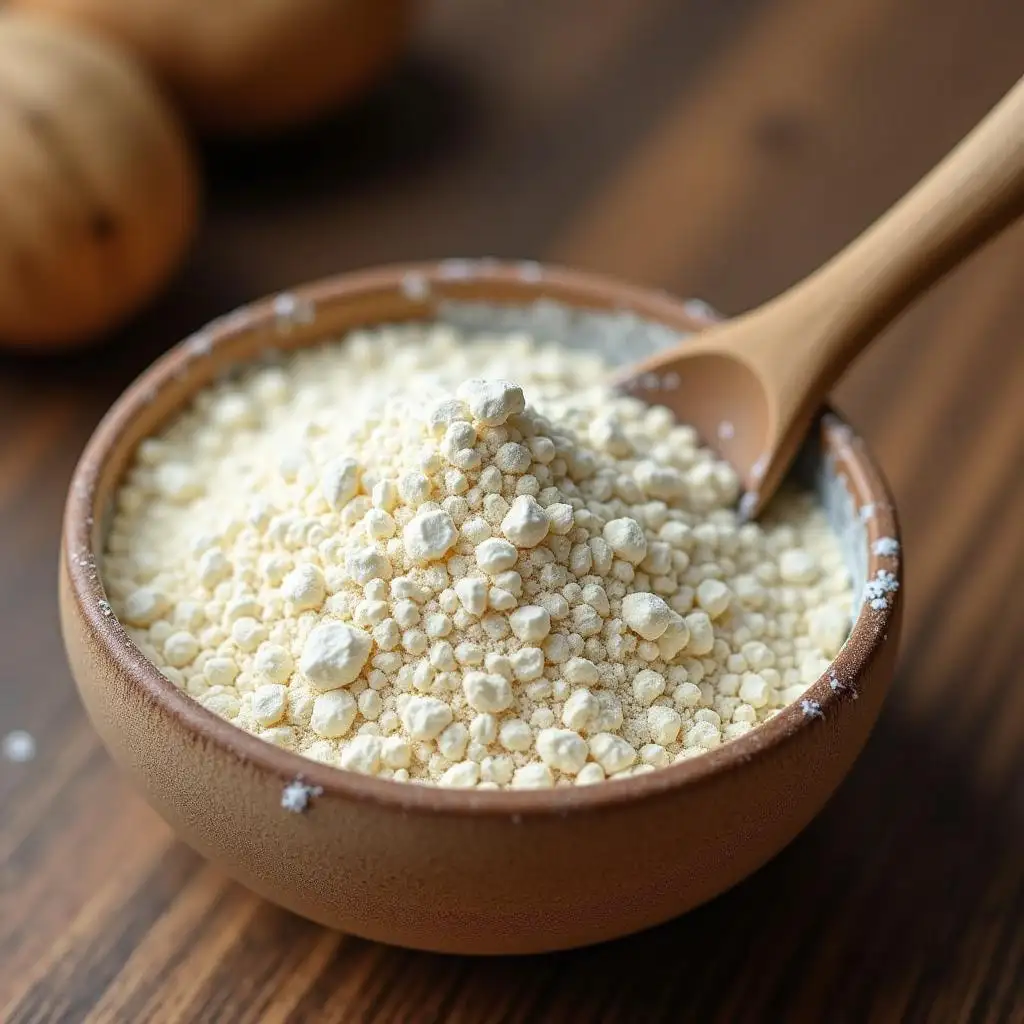
Fine coconut flour is made after pressing oil from grated coconut; the remaining pulp is then gently dried and milled into a fine, pale flour with a mild, naturally sweet coconut aroma. Because it retains most of the dietary fibre and part of the protein from coconut, it is energy-dense and nutritionally interesting as an alternative to grain flours, especially in gluten-free and low-carb diets. From a nutritional point of view it is mainly a source of carbohydrates with a high fibre content, while it contains relatively little fat and sugar compared to whole coconut or coconut oil. Due to its high ability to absorb liquids, batters made with coconut flour thicken quickly, so recipes usually call for more eggs or other binders and a higher amount of liquid (milk, plant-based drinks, water) to achieve a soft, elastic texture. It is commonly used in pancakes, small breads, muffins, sponge cakes and other desserts, where it lends a light, sweet coconut flavour and a pale, slightly more crumbly structure. Since it is naturally gluten-free, the dough does not bind in the same way as with wheat flour, which is why it is often combined with other gluten-free flours or starches in practice. Fine coconut flour is also excellent for breading vegetables and meat, as a binder in burgers and veggie patties, or as an addition to smoothies, yoghurt and porridges, where it boosts fibre intake and helps you feel full for longer.
Average nutritional values per 100 g; Energy: 1540 kJ / 368 kcal, Fat: 15.1 g; of which saturates: 14.0 g, Carbohydrate: 28.6 g; of which sugars: 6.8 g, Fibre: 17.9 g, Protein: 17.4 g, Salt: 0.06 g
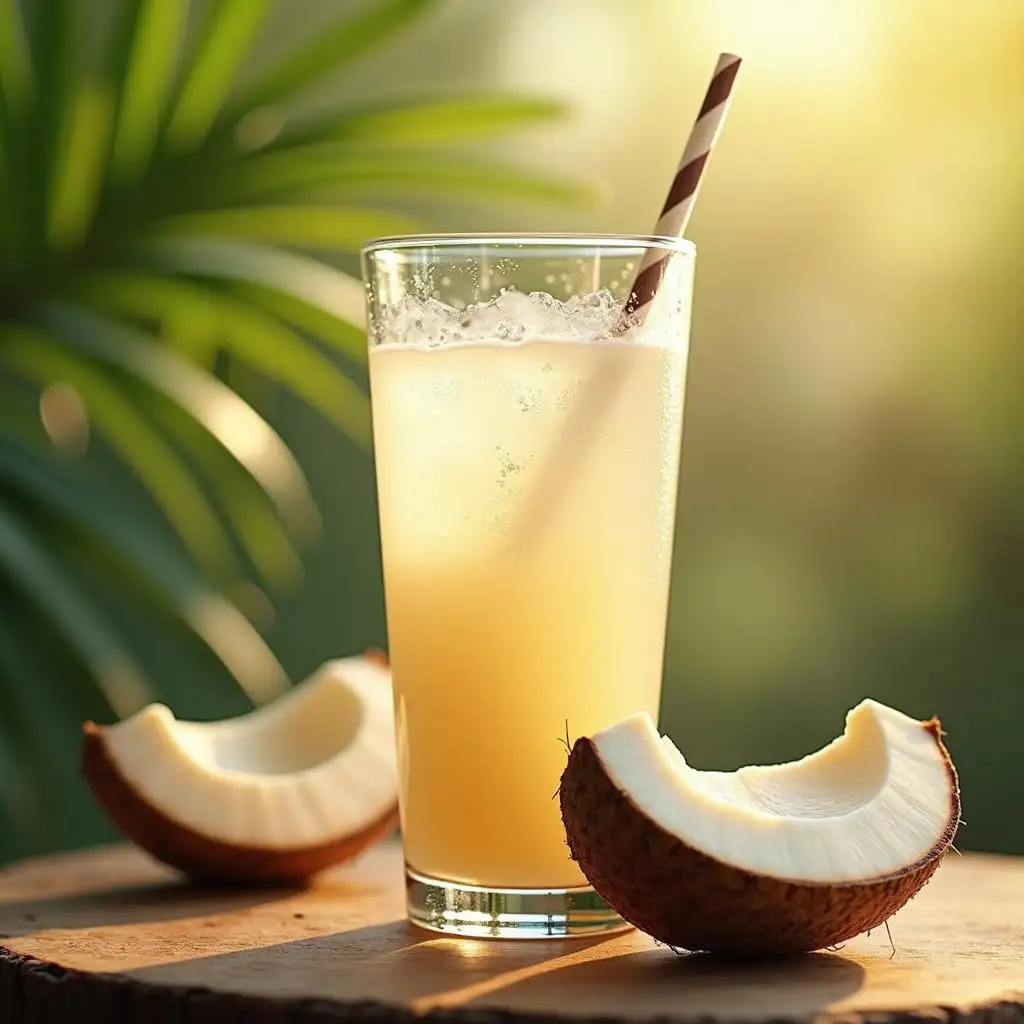
Coconut water, the clear liquid found inside young green coconuts, is a naturally refreshing drink valued for its lightness and electrolyte content. Compared to soft drinks or fruit juices, it is relatively low in calories and contains only a moderate amount of natural sugars, which makes it a gentle alternative to conventional sports drinks. Coconut water is particularly noted for its potassium content, with smaller amounts of magnesium, calcium and vitamin C, helping to support fluid balance in the body after exercise or on hot summer days. In the kitchen, coconut water is very versatile: it can be enjoyed on its own, blended into smoothies, used in homemade lemonades or cocktails, where it adds a subtle sweetness and a mild nutty, tropical note. It works beautifully as a liquid base for smoothie bowls, chia puddings or cold soups, moistening the dish and giving it a gentle coconut character without being heavy. You can also cook rice, quinoa or millet porridge in coconut water instead of plain water to enrich the flavour and create an aromatic side dish that pairs well with vegetable and curry-based meals. Coconut water is also popular in natural cosmetics, where it appears in face mists, toners and hydrating body sprays. Thanks to its light texture, it feels refreshing on the skin, helps restore a sense of hydration and is pleasant to use throughout the day, especially in dry or air-conditioned environments. As it is sensitive to air, heat and light, it is best to keep an opened container refrigerated, consume it within a few days and, where possible, choose varieties without added sugar or artificial flavourings.
Average nutritional values per 100 ml; Energy: 75 kJ / 18 kcal, Fat: 0 g; of which saturates: 0 g, Carbohydrate: 4.2 g; of which sugars: 3.9 g, Protein: 0.2 g, Salt: 0.06 g.